The Unsung Hero of Your Brewery: The Process Cooling System
As a brewery owner or manager in the Greater Toronto Area, you know that crafting the perfect beer is a delicate balance of science and art. From the quality of your hops to the strain of your yeast, every detail matters. But there’s one critical component working tirelessly behind the scenes that can make or break every batch: your process cooling system. A reliable, efficient cooling system isn’t just a piece of equipment; it’s the key to consistency, quality, and profitability. In an industry where reputation is everything, you can’t afford to leave your cooling to chance.
More Than Just Cold: The Science of Glycol Chillers in Brewing
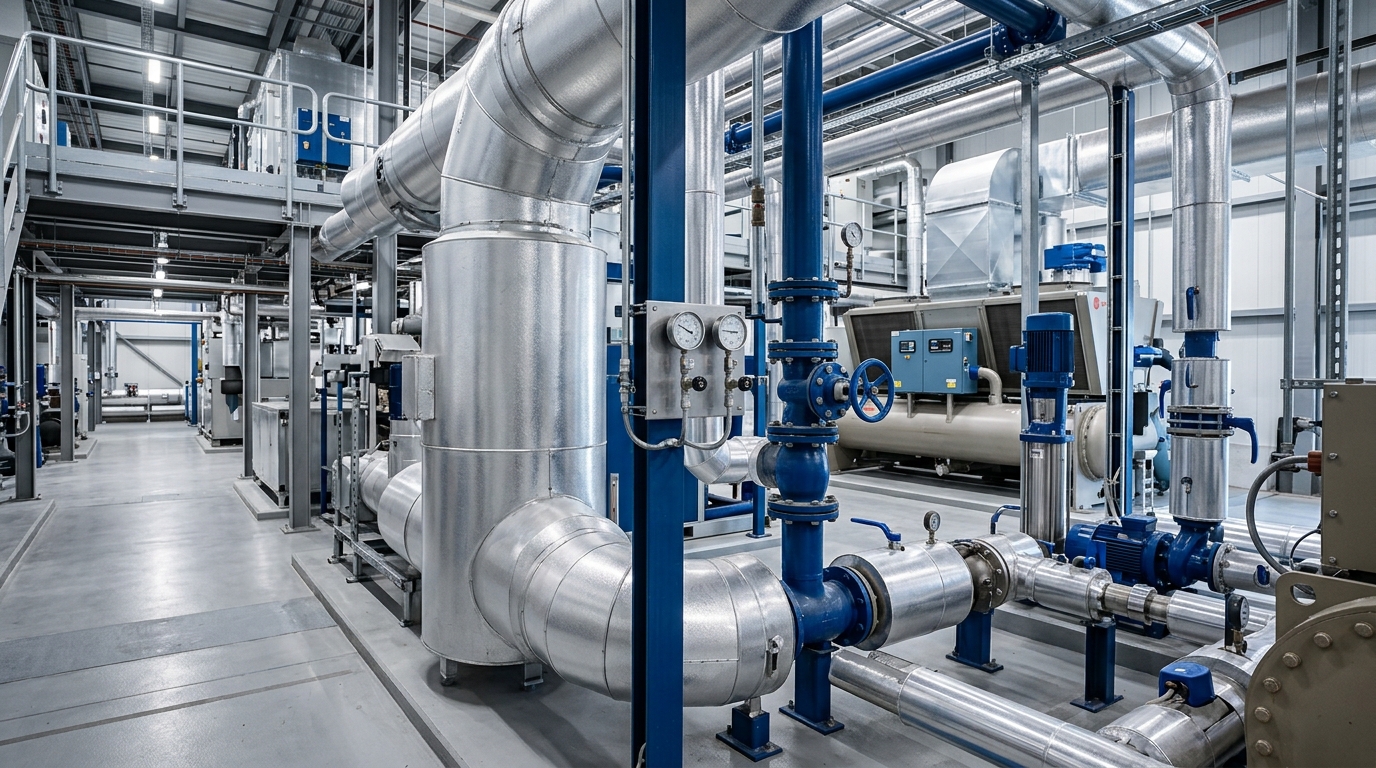
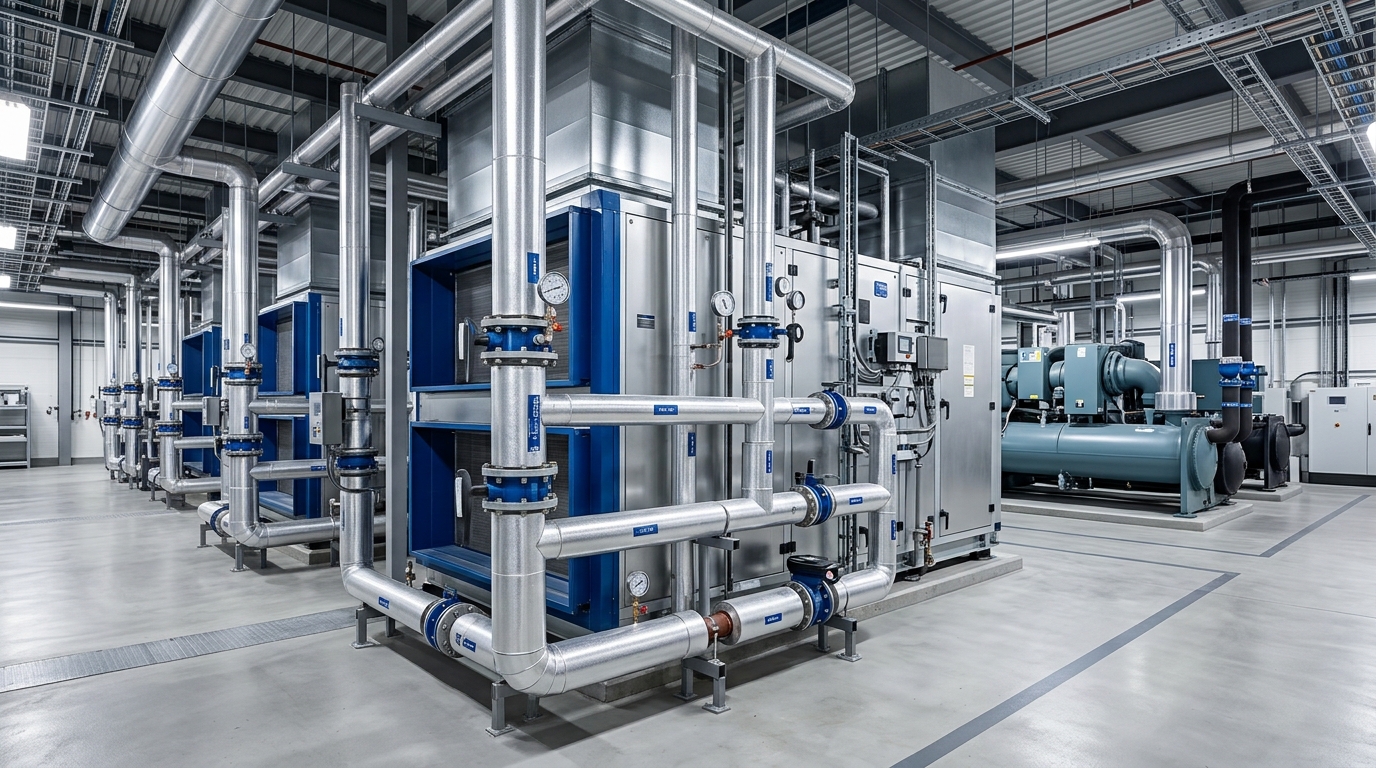
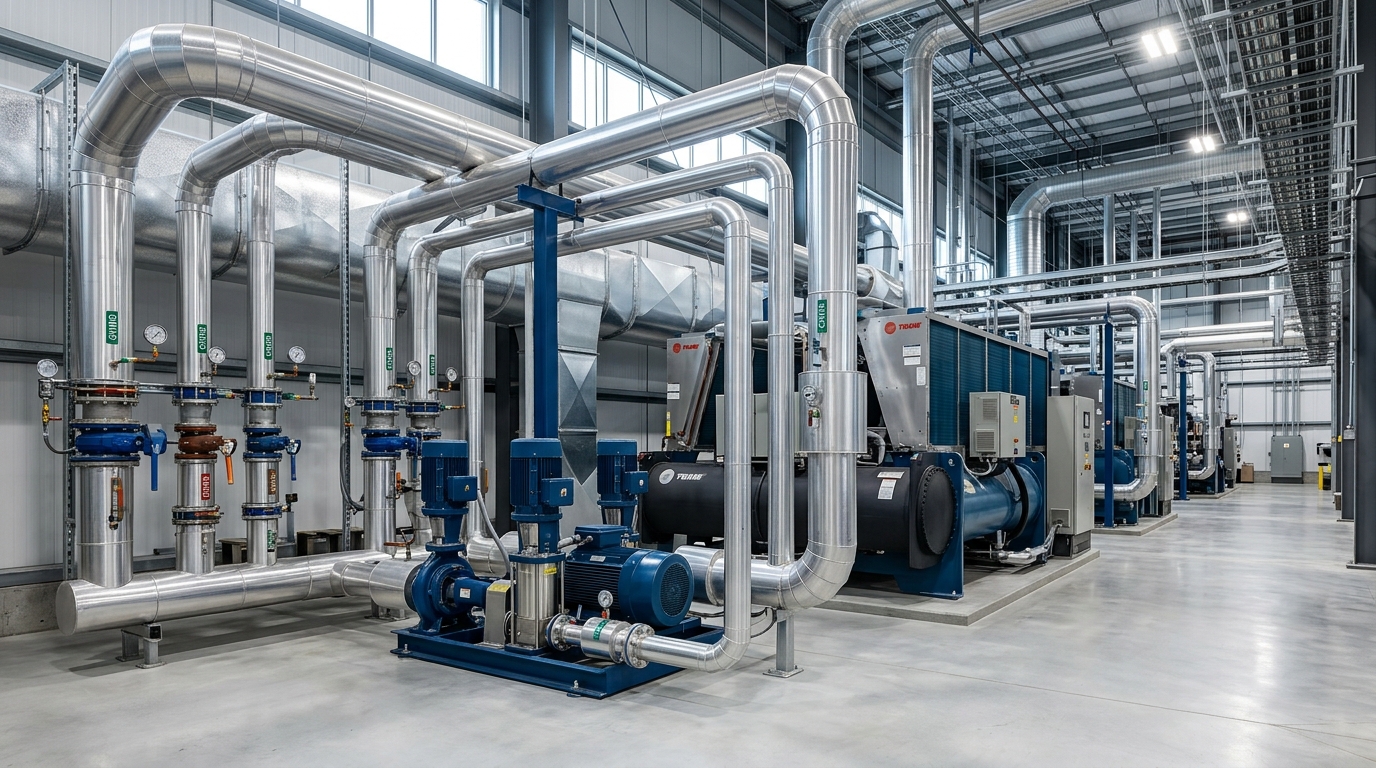
The heart of any modern brewery’s temperature control is the glycol chiller. This specialized industrial refrigeration system circulates a food-grade propylene glycol and water mixture through jackets on your fermenters and brite tanks. Why is this so crucial? It’s all about control.
Fermentation is an exothermic process, meaning it generates its own heat. Without a precise way to remove that heat, temperatures can rise uncontrollably, stressing the yeast. This leads to undesirable off-flavours, inconsistent results, and ultimately, a product that doesn’t meet your high standards. A properly sized and maintained glycol chilling system gives your brewers the power to:
- Maintain exact fermentation temperatures: Different yeast strains thrive at specific temperatures. Precise control allows you to consistently produce the desired flavour and aroma profiles for each of your unique beers.
- Perform cold crashing: Rapidly dropping the temperature post-fermentation causes yeast and other solids to fall out of suspension, resulting in a clearer, more stable final product.
- Regulate brite tank temperatures: Keeping your finished beer perfectly chilled before kegging or canning is essential for proper carbonation and preserving its flavour right up to the point of serving.
Warning Signs Your Brewery’s Cooling System is Underperforming
Downtime in a brewery is costly, and a failing cooling system can bring production to a grinding halt. Being proactive is essential. Watch for these common red flags that indicate your process cooling or HVAC system needs immediate attention from a professional:
- Inconsistent Batch Quality: If you’re noticing variations in flavour between batches of the same recipe, fluctuating fermentation temperatures are a likely culprit.
- Rising Energy Bills: An inefficient chiller has to work harder and run longer to maintain setpoints, leading to a significant and often sudden increase in your hydro costs.
- Chiller Short-Cycling: Does the system turn on and off frequently? This can indicate incorrect sizing, refrigerant issues, or other mechanical problems that cause unnecessary wear and tear.
- Visible Leaks or Frost Build-Up: Any signs of fluid leaks or excessive ice on the unit or lines are clear indicators that you need professional service immediately.
Partnering with a GTA Expert Who Understands Your Craft
Your brewery isn’t a standard commercial facility, and your HVAC-R needs are unique. You need a partner who understands the specific demands of process cooling in the food and beverage industry. For over 25 years, Air Flow Mechanical has been that trusted partner for businesses across the GTA, from small craft breweries to large-scale industrial facilities. We specialize in the systems that keep your operation running, including industrial refrigeration, process cooling, cooling towers, and dry coolers.
Our certified technicians have extensive experience with the top brands in the industry, including RefPlus, Carrier, Trane, and York, ensuring we can design, install, and maintain the perfect system for your production needs. We understand that a cooling failure can be catastrophic, which is why we offer 24/7 emergency support to protect your product and your investment. Don’t let an unreliable cooling system compromise the quality of your craft. Contact Air Flow Mechanical today for a comprehensive assessment of your brewery’s process cooling needs.