Your Secret Ingredient for a Perfect Pint: Precision Temperature Control
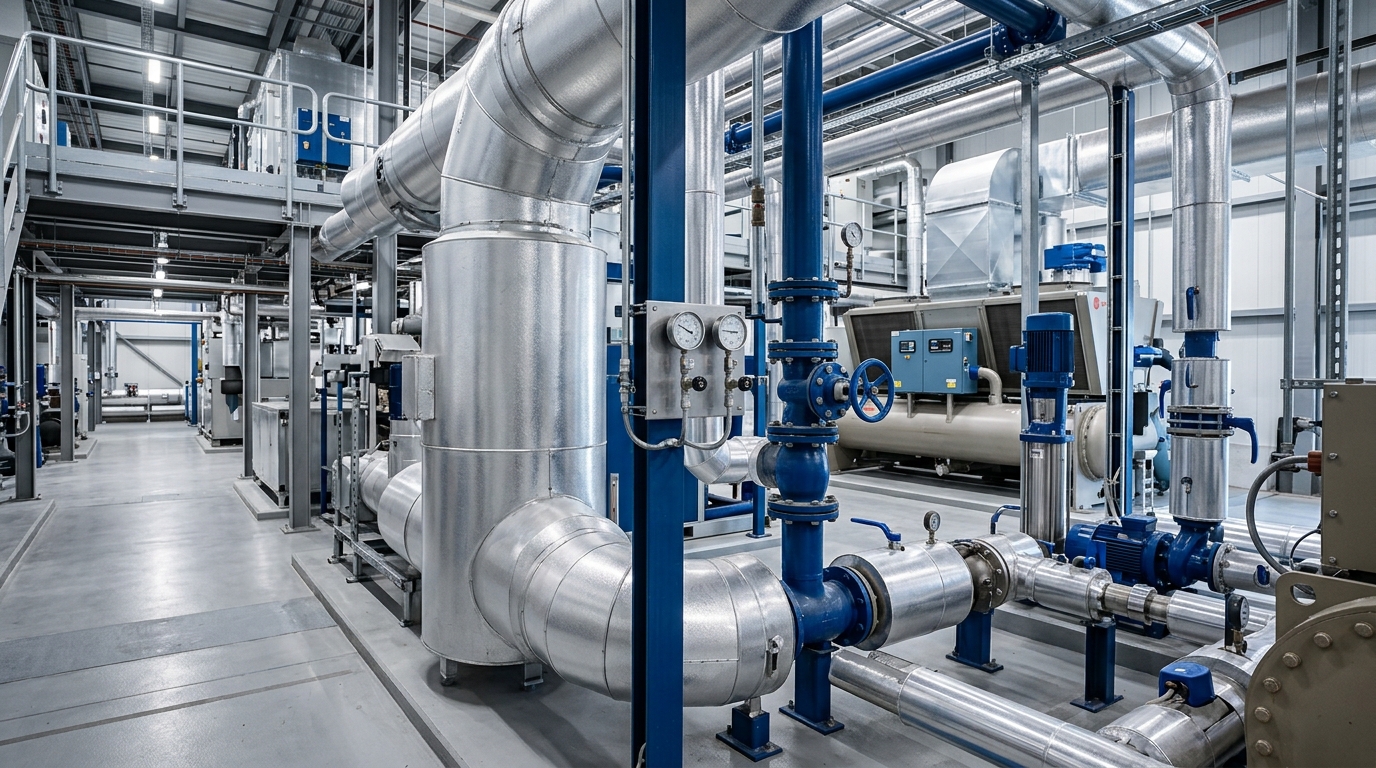
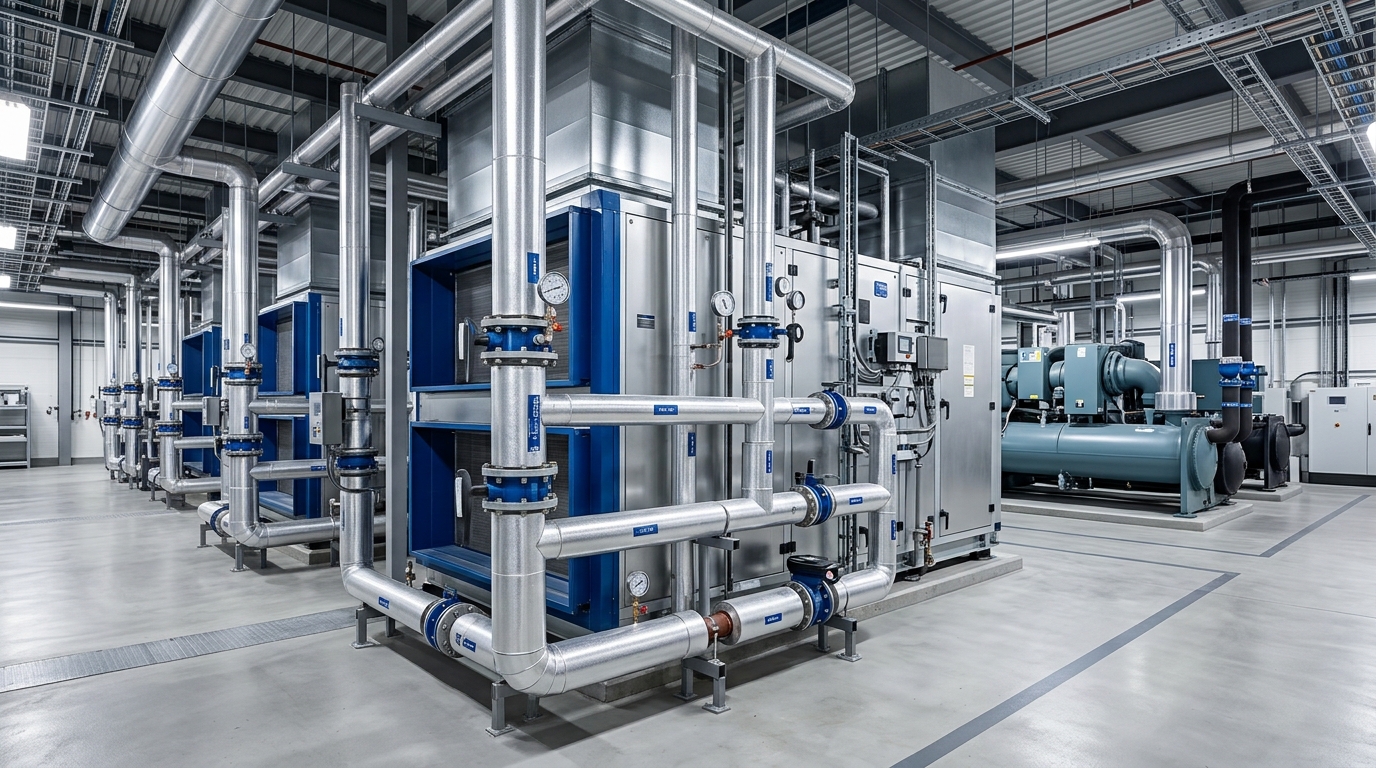
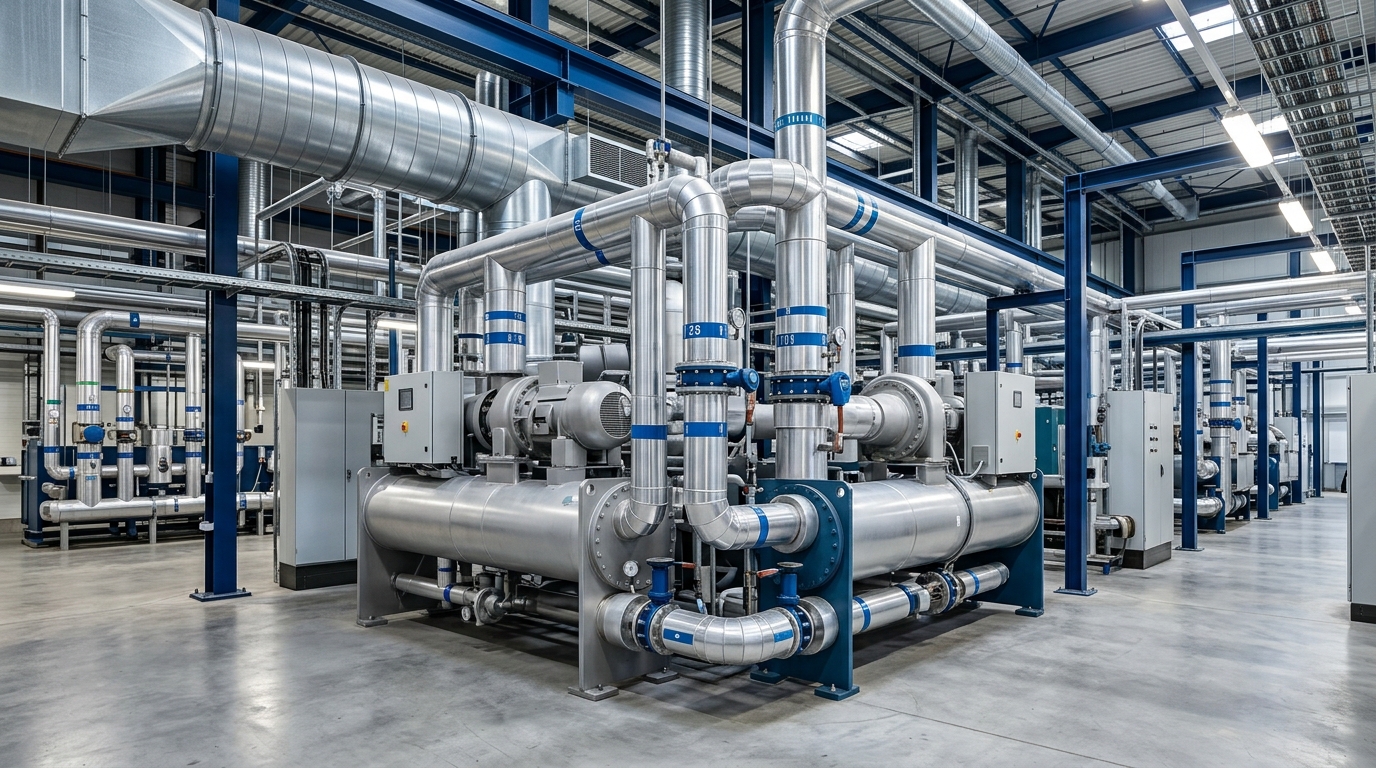
As a brewery owner or manager in the Greater Toronto Area, you know that crafting the perfect beer is a delicate balance of art and science. You meticulously select your hops, grains, and yeast, but there’s an unsung hero working behind the scenes that can make or break your batch: your process cooling system. Unlike standard HVAC that keeps your staff comfortable, process cooling is a specialized industrial refrigeration system designed to control the temperature of your product itself. For breweries, this usually means a reliable glycol chiller system, and its performance is directly tied to your product’s quality, consistency, and profitability.
More Than Just Cold: The Critical Role of Glycol Chillers in Brewing
A glycol chiller is the heart of a modern brewery’s temperature regulation. It circulates a food-grade propylene glycol and water mixture through a closed loop to various points in your brewing process. This isn’t just about making things cold; it’s about achieving and maintaining exact temperatures at critical stages. Inconsistent or unreliable cooling can lead to off-flavours, stalled fermentation, and wasted batches—a costly problem for any GTA business.
Here’s where precision cooling has the biggest impact:
- Wort Cooling: After the boil, wort must be cooled rapidly to the ideal temperature for yeast pitching. A slow cool-down can increase the risk of contamination and unwanted flavours.
- Fermentation Control: This is arguably the most crucial stage. The temperature of your fermenter directly influences yeast health and activity. Even a few degrees of variance can drastically alter the final flavour profile, turning your signature IPA into something unexpected.
- Crash Cooling & Conditioning: Dropping the temperature quickly after fermentation (crash cooling) causes yeast and other particulates to settle, resulting in a clearer, more stable final product. Precise control here is essential for consistency.
- Brite Tanks & Serving: Maintaining a consistent, cold temperature in your brite tanks and during serving ensures your beer is carbonated correctly and tastes exactly as you intended when it reaches the customer.
Is Your Cooling System Costing You More Than Just Energy?
An inefficient or failing process cooling system presents a significant risk. Downtime during a critical fermentation stage can mean the loss of an entire batch. Look for these warning signs that your system needs professional attention:
- Inconsistent Batch Quality: Are you noticing variations in taste from one batch to the next, even with the same recipe? Your temperature control may be the culprit.
- Extended Cool-Down Times: If it’s taking longer than usual to chill your wort or crash your fermenters, your chiller is struggling.
- Rising Energy Bills: An overworked or inefficient system will consume more power, directly impacting your bottom line.
- Visible Frost or Leaks: Any physical signs of wear, frost buildup on lines, or fluid leaks demand immediate inspection.
Partner with a GTA Process Cooling Specialist
When your product’s quality is on the line, you can’t afford to trust your critical systems to a generalist. You need a partner who understands the unique demands of the brewing industry. For over 25 years, Air Flow Mechanical has been the trusted HVAC and industrial refrigeration partner for breweries and food manufacturing facilities across the GTA. We specialize in designing, installing, and maintaining high-performance process cooling systems. Our technicians have deep expertise with leading brands like RefPlus, Carrier, and Trane, ensuring your glycol chillers and refrigeration equipment operate at peak efficiency and reliability.
Don’t let an overlooked cooling system compromise the quality you’ve worked so hard to achieve. We provide comprehensive preventive maintenance plans and 24/7 emergency support to keep your operations running smoothly, protecting your product and your reputation. Contact Air Flow Mechanical today to ensure your brewery has the reliable cooling foundation it needs to thrive.